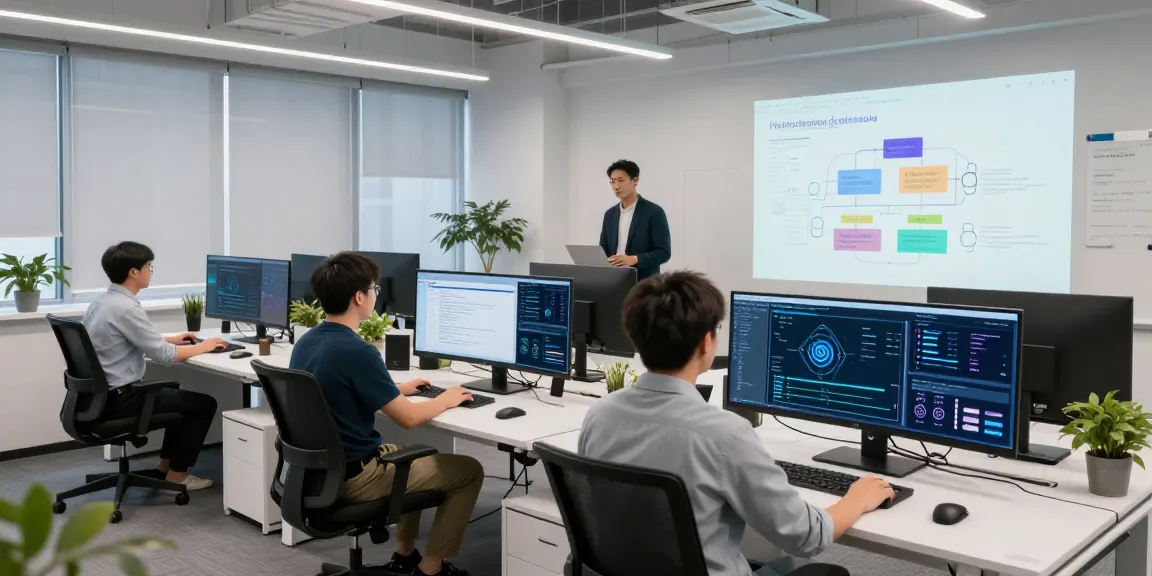
Understanding GO8’s Software Development Framework
The evolution of software development practices has transformed the way organizations, like GO8, create and maintain their applications. Leveraging modern methodologies allows teams to build scalable, resilient, and user-friendly software. This article explores the prominent development frameworks utilized by GO8, delving into best practices and tools that enhance collaborative workflows, code quality, and overall project efficiency. As we journey through these practices, consider the benefits of signing up at https://go8net.com/ for comprehensive resources and community support.
Overview of Development Methodologies
Modern software development employs various methodologies, primarily Agile, Waterfall, and DevOps. Each has its strengths, catering to specific project needs and team capacities. Agile, characterized by iterative development and continuous feedback, is ideal for projects requiring flexibility and frequent updates. In contrast, the Waterfall model follows a sequential design process, making it suitable for projects with well-defined requirements. DevOps integrates development and operations, fostering a culture of collaboration that enhances efficiency and reduces time to market.
Best Practices for Efficient Collaboration
To foster effective collaboration within development teams, adopting practices such as version control, daily stand-up meetings, and collaborative tools (e.g., Jira, Confluence) is essential. Version control systems, like Git, enable developers to manage code changes systematically, facilitating seamless collaboration. Additionally, leveraging tools for continuous integration (CI) and continuous deployment (CD) further streamlines the development process, automating testing and deployment to ensure higher quality software output.
Code Quality and Testing Strategies
Code quality is paramount in reducing bugs and enhancing maintainability. Implementing code reviews and pair programming are excellent strategies to enhance quality. Moreover, automated testing—unit, integration, and end-to-end—ensures that code changes do not introduce regressions. Utilizing test-driven development (TDD) encourages developers to write tests before code, ensuring requirements are met from the start.
Implementing Cloud Infrastructure with GO8
In today’s tech landscape, cloud infrastructure is fundamental to scalability and resource optimization. Organizations like GO8 have embraced cloud solutions to enhance service delivery and streamline operations. We will compare leading cloud platforms, optimizing costs for scalability and performance while addressing management strategies to monitor cloud services effectively.
AWS vs. Azure: Choosing the Right Platform
Amazon Web Services (AWS) and Microsoft Azure are the two dominant cloud service providers. AWS is known for its extensive range of services and a mature ecosystem, while Azure provides seamless integration with existing Microsoft products. The choice between these providers often depends on organizational needs, existing technology stacks, and budget constraints. Costs can be optimized through strategic usage of reserved instances, spot instances in AWS or Azure’s reserved VM instances, ensuring financial efficiency while scaling services.
Optimizing Cloud Costs for Scalability
To maintain budget friendliness while scaling, organizations should regularly monitor usage and implement cost management tools. Both AWS and Azure provide tools like AWS Cost Explorer and Azure Cost Management to analyze spending patterns. Furthermore, leveraging auto-scaling mechanisms ensures resources are allocated dynamically, helping to avoid overspending during peak or low usage periods.
Performance Monitoring and Management
Effective cloud management is centered around performance monitoring. Solutions like AWS CloudWatch and Azure Monitor empower organizations to track metrics, set alerts, and automate responses to potential issues. Implementing these monitoring solutions helps maintain application uptime, enhances user experience, and optimizes resource usage.
Innovative AI and ML Practices for GO8
The rise of artificial intelligence (AI) and machine learning (ML) presents an exciting opportunity for organizations like GO8 to harness data for better insights and decision-making. This section delves into constructing robust ML models, optimizing data pipelines, and ensuring ethical governance in AI applications.
Building Robust Machine Learning Models
Constructing effective ML models begins with a solid understanding of data structures and features. Engaging in hyperparameter tuning and utilizing frameworks such as TensorFlow or PyTorch enables developers to build models that not only meet accuracy benchmarks but are also reproducible. Furthermore, employing methodologies such as cross-validation ensures that models perform well on unseen data.
Data Pipelines: Best Practices for Integration
Data pipelines are critical in AI workflows. Implementing ETL (Extract, Transform, Load) processes ensures that data is clean, consistent, and available for model training. Tools like Apache Airflow or AWS Glue can orchestrate complex data workflows effectively. Incorporating data versioning practices helps maintain data integrity throughout the lifecycle of model development.
AI Ethics and Governance in Technology
Given the societal impact of AI implementations, ethical considerations must guide development practices. Establishing governance frameworks that address biases in data, as well as transparency in AI decisions, fosters trust among users and stakeholders. Continuous monitoring and auditing of AI models ensure compliance with ethical standards and regulatory requirements.
Enhancing Cybersecurity Protocols for GO8
In an era where cyber threats are omnipresent, enhancing cybersecurity protocols is essential for organizations like GO8. This section examines common threats and applicable mitigation strategies while discussing compliance standards and best practices for creating a secure development lifecycle.
Common Threats and Mitigation Strategies
Common cybersecurity threats include phishing attacks, malware infections, and data breaches. Mitigation strategies include implementing multi-factor authentication (MFA), conducting regular security audits, and ensuring software is kept up to date with the latest security patches. Educating staff about security best practices is also vital in fostering a culture of security awareness.
Compliance Standards and Best Practices
Compliance with standards like GDPR, PCI-DSS, and HIPAA is critical for organizations handling sensitive data. Adhering to these regulations ensures data protection and builds trust with users. Employing data encryption and access controls helps safeguard information, while regular compliance assessments verify adherence to necessary standards.
Building a Secure Development Lifecycle
A secure development lifecycle (SDLC) embeds security into every phase of software development. This involves conducting threat modeling during the design phase, using secure coding practices, and incorporating security testing within CI/CD pipelines. Integrating security solutions throughout development mitigates vulnerabilities and promotes robust defense against potential attacks.
Adopting Agile and DevOps Practices in GO8
Agile and DevOps methodologies create a culture of collaboration and iterative development, significantly impacting software delivery times. This section explores how GO8 can further enhance its operational efficiency by implementing CI/CD practices and fostering a successful DevOps culture.
Implementing CI/CD Pipelines for Faster Delivery
Continuous Integration (CI) and Continuous Deployment (CD) pipelines automate workflows, enabling rapid delivery of features. By integrating automated testing at various stages, teams can ensure that code changes are validated regularly, thus minimizing integration issues. Popular tools for CI/CD include Jenkins, CircleCI, and GitLab CI/CD, which support the automation of manual tasks, significantly improving deployment frequencies.
Fostering a DevOps Culture for Collaborative Success
Creating a DevOps culture requires breaking down silos between development and operations teams. Encouraging cross-functional collaboration maximizes efficiency and innovation. Implementing regular team-building activities and knowledge-sharing sessions can help cultivate a collaborative environment, fostering shared responsibility for delivering high-quality software.
Tools and Technologies to Enhance Productivity
Utilizing productivity-enhancing tools such as Docker for containerization and Kubernetes for orchestration allows teams to manage applications efficiently in diverse environments. Additionally, collaboration tools like Slack and Microsoft Teams support communication in real-time, further enhancing productivity across distributed teams.
FAQs about GO8’s Services and Features
How does GO8 ensure data security?
GO8 implements robust security protocols, including encryption, access controls, and regular security audits to protect sensitive user data.
What are the advantages of using GO8’s cloud solutions?
Leveraging GO8’s cloud solutions enables scalability, flexibility, and reduced operational costs, empowering organizations to deliver services efficiently.
How can businesses leverage AI with GO8?
Businesses can harness AI capabilities at GO8 to gain actionable insights from data, automate processes, and enhance customer experiences through personalized interactions.. Additionally, Media Watcher provides further details.