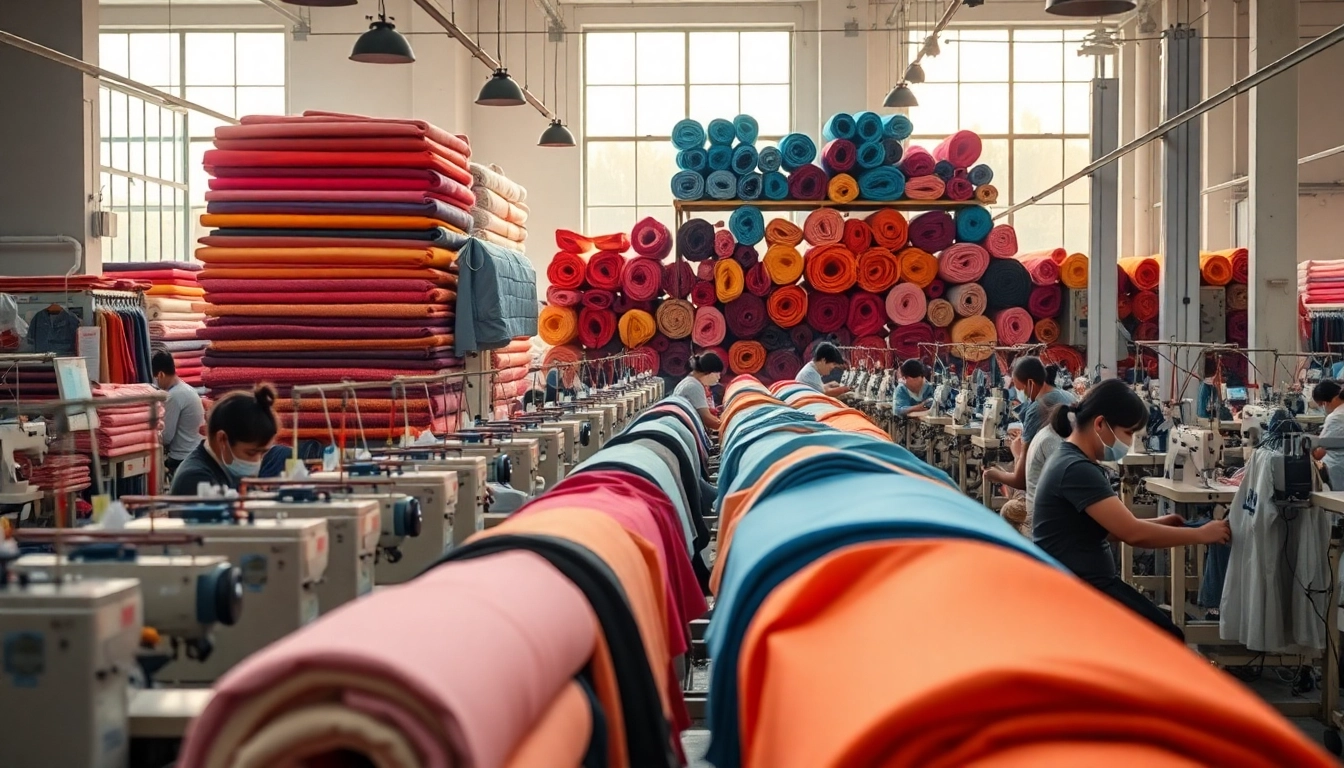
Understanding the Basics of Manufacturing Clothing in China
Overview of the Chinese Apparel Industry
The Chinese apparel industry has evolved into one of the largest and most influential in the world. With a significant supply of labor, advanced manufacturing techniques, and expansive logistical networks, China remains a dominant player in clothing production. In 2021, its output constituted around one-third of the global apparel market, showcasing the massive scale and integration of this sector. Besides, technological advancements and governmental support continue to foster an environment conducive to growth and innovation, pushing the boundaries of textile production.
Key Benefits of Manufacturing Clothing in China
One of the primary advantages of Manufacturing Clothing in China is the cost-effectiveness it offers. Labor costs in China, while rising in some sectors, remain competitive compared to many Western countries. Additionally, the extensive supply chain infrastructure allows for efficient production cycles. The experience of manufacturers in China can lead to high-quality outputs, and an ability to scale production rapidly to meet market demands is another key benefit.
Common Misconceptions about Production Costs
Many businesses mistakenly believe that manufacturing in China is exclusively cheap and thus consider it straightforward cost reduction. However, costs can vary significantly based on material quality, labor skills, and production complexity. The initial low quotes from manufacturers can sometimes mask hidden costs such as shipping, tariffs, and quality control issues. Therefore, a comprehensive understanding of the total cost structure is vital before starting production.
Choosing the Right Manufacturers for Clothing in China
Evaluating Manufacturer Capabilities
To ensure the success of a clothing line, evaluating potential manufacturers is crucial. This assessment should include reviewing a manufacturer’s production capacity, machinery, and workforce expertise. Requesting samples and referencing previous work can provide insight into their capabilities. Additionally, gathering feedback from other brands that have previously partnered with the manufacturer can highlight strengths and weaknesses. Firms must look for manufacturers with a track record of meeting deadlines and delivering quality products consistently.
Importance of Compliance and Certifications
Compliance with international standards is not just a legal requirement; it significantly impacts brand reputation. When choosing a manufacturer, it is essential to verify that they have the necessary certifications such as ISO, Oeko-Tex, and Global Organic Textile Standard (GOTS). These certifications assure quality and ethical practices, which can also influence marketability, especially among consumers who prioritize ethical sourcing and sustainability.
How to Establish Strong Communication Channels
Working with manufacturers in China comes with unique communication challenges, primarily due to language barriers and time zone differences. Establishing effective communication channels is critical for successful collaborations. Utilize tools like video conferencing, project management software, and instant messaging to maintain a steady flow of information. Regular updates and reports can help preempt issues and align expectations between parties, ensuring a smooth manufacturing process.
Quality Control in Manufacturing Clothing in China
Implementing Effective Quality Assurance Protocols
Quality assurance (QA) should be integrated into the manufacturing process from the outset. Establishing clear quality standards and specifications is crucial for meeting customer expectations. Regular audits and inspections during production can catch defects early and result in timely corrective actions. Engaging third-party QC services can provide an unbiased assessment of product quality, offering peace of mind to the brand.
Common Quality Issues and Their Solutions
Common quality issues include fabric defects, misaligned patterns, and stitching errors. Addressing these concerns early can save costs and time. Implementing comprehensive training programs for factory workers on quality standards, investing in better machinery, and fostering a culture of quality can help mitigate these issues. Furthermore, having a dedicated quality control team that inspects products at various stages of production can catch problems before they escalate.
Building Long-term Relationships with Suppliers
Building long-term relationships with manufacturers can lead to improved efficiency, better pricing, and consistent quality. Trust and respect between the parties can foster collaborative problem-solving in case of issues. Regular visits to the manufacturing site and maintaining open lines of communication can enhance the relationship, ensuring that both parties are aligned with business goals.
Cost Management in Clothing Manufacturing in China
Analyzing Production Costs and Budgeting
A detailed analysis of production costs is essential for effective budgeting. This includes considering materials, labor, overhead, import duties, and unexpected expenses. Analyzing past expenses and setting realistic budgets can help brands avoid overspending. Additionally, using data analytics tools can help track expenses and optimize costs in real-time, enabling better decision-making.
Strategies for Reducing Import Expenses
While Manufacturing Clothing in China can deliver low production costs, import expenses can erode those savings. To reduce these costs, brands can consider methods such as consolidating shipments, negotiating better shipping rates, and exploring free trade agreements. Additionally, working with experienced freight forwarders can help navigate the complexities of international logistics and find cost savings.
Funding Options for Apparel Startups
Securing funding is often a critical challenge for apparel startups. There are various options available, including traditional bank loans, venture capital, crowdfunding, and angel investors. Each funding source has its advantages and drawbacks, and it’s essential to analyze your business model and long-term goals when selecting the best fit. Additionally, a strong business plan and financial projections can make securing funding easier.
Future Trends in Manufacturing Clothing in China
Technological Innovations Impacting Fashion Production
Technology is evolving rapidly within the textile industry, reshaping how clothing is produced in China. Innovations such as automation, artificial intelligence, and 3D printing are streamlining processes and reducing waste. These technologies not only enhance productivity but also enable manufacturers to respond quickly to fashion trends, giving brands a competitive edge. Businesses that adopt these new technologies are likely to thrive in an increasingly dynamic market.
Shifts in Consumer Preferences and Sustainability
As consumers become more environmentally conscious, there is a growing demand for sustainable fashion. Manufacturers in China are recognizing this shift and adapting their practices to incorporate sustainable materials and eco-friendly production methods. This change not only meets consumer expectations but also aligns with global sustainability goals. Brands that prioritize sustainable practices are better positioned to attract a loyal customer base.
Preparing for Future Challenges in Apparel Manufacturing
The landscape of apparel manufacturing is continuously changing, influenced by global events, economic shifts, and consumer behavior. To prepare for future challenges, brands must adopt a proactive approach to risk management. This includes diversifying supply chains, staying informed about market trends, and building resilience against potential disruptions. Continuous learning and adaptation will be key drivers for success in the coming years.
FAQs
What are the main advantages of Manufacturing Clothing in China?
Manufacturing clothing in China offers reduced production costs, access to skilled labor, and extensive supply chains for fast shipping.
How can I ensure quality when manufacturing clothing in China?
Establish clear quality standards, conduct regular inspections, and engage third-party quality control services to maintain product standards.
What are typical lead times for clothing production in China?
Lead times can range from 30 to 60 days, depending on order size and complexity, so plan accordingly for your supply chain.
Is it possible to manufacture sustainable clothing in China?
Yes, many manufacturers in China focus on sustainability by using eco-friendly materials and producing with minimal waste.
How do I find reliable manufacturers in China?
Use trade shows, online platforms like Alibaba, and leverage industry networking groups to identify and vet potential manufacturers.