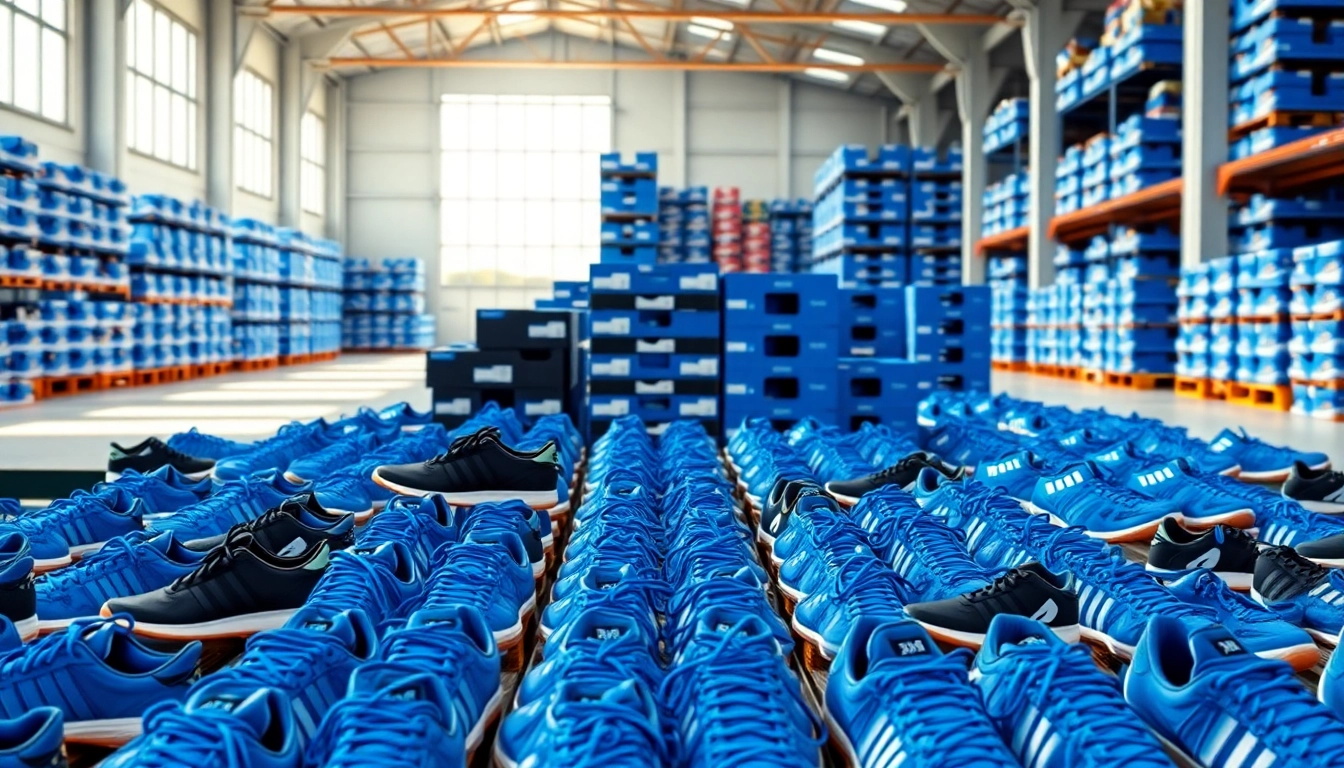
The Value of Best Adidas Shoe Pallets (100 Pairs)
In the ever-evolving landscape of retail, the demand for popular sneaker brands like Adidas continues to surge. As consumers chase the latest styles and footwear technology, an opportunity lies in the procurement of bulk footwear through pallets. These allow resellers and businesses to acquire stock at reduced prices while tapping into established consumer loyalty. Understanding the dynamics surrounding the Best Adidas Shoe Pallets (100 Pairs) can yield significant benefits for those looking to maximize profits and streamline their business operations.
1. Understanding the Market Demand
The sneaker market remains robust, driven by fashion trends, social media influencers, and celebrity endorsements. Adidas, with its rich heritage and innovative designs, caters to a diverse audience, further heightening demand. The understanding of consumer preferences—whether for casual, athletic, or niche products—can guide resellers in selecting the right pallets. A careful analysis of prevailing trends reveals which styles are in high demand, such as limited editions, collaborations, and eco-friendly options, enabling resellers to align their inventory accordingly.
2. Benefits of Liquidating Shoe Pallets
Liquidation of shoes, particularly concentrated on iconic brands such as Adidas, offers resellers a formidable advantage. Purchasing pallets allows for diversified inventory with less capital investment, minimizing risks associated with purchasing unsold stock. Additionally, bulk buying yields savings per unit, significantly enhancing profit margins when resold. Liquidation also presents the opportunity to acquire exclusive styles that may be hard to find elsewhere, attracting more customers eager for unique offerings. Faster turnover is another significant advantage, as Adidas shoes usually sell quickly due to their popularity.
3. Analyzing Profit Margins
A comprehensive analysis of profit margins from Adidas shoe pallets illustrates their potential for significant returns. With margins generally ranging from 30% to 50%, resellers can comfortably capitalize on low acquisition costs against retail prices. Understanding the specific costs associated with each pallet—such as shipping, storage, and other operational expenses—facilitates better decision-making and allows for refined pricing strategies. Resellers equipped with this knowledge can tailor their offers to maximize consumer interest while ensuring profitability.
How to Source Best Adidas Shoe Pallets (100 Pairs)
1. Finding Reliable Suppliers
For successful resale, establishing relationships with reliable suppliers is crucial. Resellers should seek suppliers known for their authenticity and honest practices. Attending trade shows, networking within reseller communities, or joining wholesale directories can lead to reputable sources. It’s essential to ask for references from other clients, ensuring that the supplier consistently delivers high-quality products and adheres to timelines.
2. Evaluating Shipment Costs
Shipping can substantially affect profitability when sourcing shoe pallets. Potential resellers must evaluate the whole cost structure, including shipping rates from suppliers to their location, tax implications, and possible tariffs. By comparing multiple suppliers, resellers can negotiate better shipping deals or consider local suppliers to reduce costs. Properly evaluating the total cost of acquisition allows for a more accurate profit projection.
3. Negotiating Better Deals
Effective negotiation skills can significantly enhance profitability when purchasing shoe pallets. It is vital to conduct thorough research on prevailing market prices and be ready to communicate this information during negotiations. Building rapport with suppliers can also yield advantages, enabling resellers to secure better terms over time. Utilizing volume discounts for larger orders can further optimize costs, enhancing potential return on investment.
Quality Assessment of Shoe Pallets
1. Inspecting the Condition of Shoes
Quality assessment plays a pivotal role in ensuring that the shoes within the pallets meet market expectations. On arrival, each shoe should be inspected meticulously for defects, signs of wear, or damage. Establishing a standardized checklist can streamline this process and ensure that resellers maintain high-quality inventory. This attention to detail not only satisfies customers but reduces the volume of returns, preserving profit margins.
2. Verifying Authenticity Standards
In an age where counterfeits are rampant, verifying the authenticity of the shoes in a pallet is non-negotiable. Resellers can work with suppliers who provide authenticity certificates or digital tracking codes linked to a product’s origin. Investing time in understanding how to differentiate genuine Adidas products from counterfeits is essential. Training staff to recognize authentic features can prevent potential losses associated with counterfeit returns.
3. Understanding Return Policies
Every reseller should familiarize themselves with the return policies imposed by suppliers regarding the pallets. Factors such as merchandise returns, damaged goods, or unsatisfactory conditions should be explicitly outlined in the contract. Understanding these policies protects the reseller from incurring excessive losses and facilitates smoother inventory management processes. Knowing the return window ensures replacements can occur promptly, preserving customer satisfaction and business integrity.
Tips for Selling Best Adidas Shoe Pallets (100 Pairs)
1. Effective Marketing Strategies
Effective marketing strategies are vital for selling pallets of shoes successfully. Crafting a branding message that highlights the uniqueness of the Adidas styles, combined with promotional campaigns through social media and email marketing, can elevate exposure. Offering exclusive deals or time-limited discounts may create urgency among potential buyers, further enhancing sales. Utilizing influencer partnerships can also broaden reach and drive consumer interest.
2. Utilizing Online Platforms
Leveraging online platforms, including e-commerce websites and social media, is another effective selling strategy. Creating a user-friendly online store or using established platforms simplifies the purchasing process. Ensuring detailed product descriptions, high-quality images, and customer reviews can enhance consumer trust and decision-making. Understanding the specific marketing requirements for each platform can also help in maximizing outreach and achieving sales objectives.
3. Engaging with Customers
Building a strong relationship with customers fosters loyalty and repeat business. Encouraging customer feedback and responding promptly to inquiries or concerns can set a reseller apart. Creating community engagement through newsletters, customer appreciation events, or exclusive previews of upcoming stock help cultivate a loyal consumer base. Striving for customer satisfaction will enhance reputation and build trust in the brand, improving long-term sales prospects.
Frequently Asked Questions
1. What are the benefits of purchasing shoe pallets?
Purchasing shoe pallets allows businesses to acquire high-demand products at lower costs, maximizing profitability.
2. How do I verify the quality of the shoes?
Inspect the pallets upon arrival, focusing on brand labels, overall condition, and any signs of wear.
3. Where can I buy Adidas shoe pallets?
Adidas shoe pallets can be sourced from wholesale suppliers, liquidation auctions, and online resale platforms.
4. What is the expected profit margin on shoe pallets?
Profit margins vary, but many businesses find margins between 30% and 50% after considering acquisition costs.
5. Do I need a license to resell shoes?
It may depend on your local laws; check regulations to see if a resale license is required for your business.