
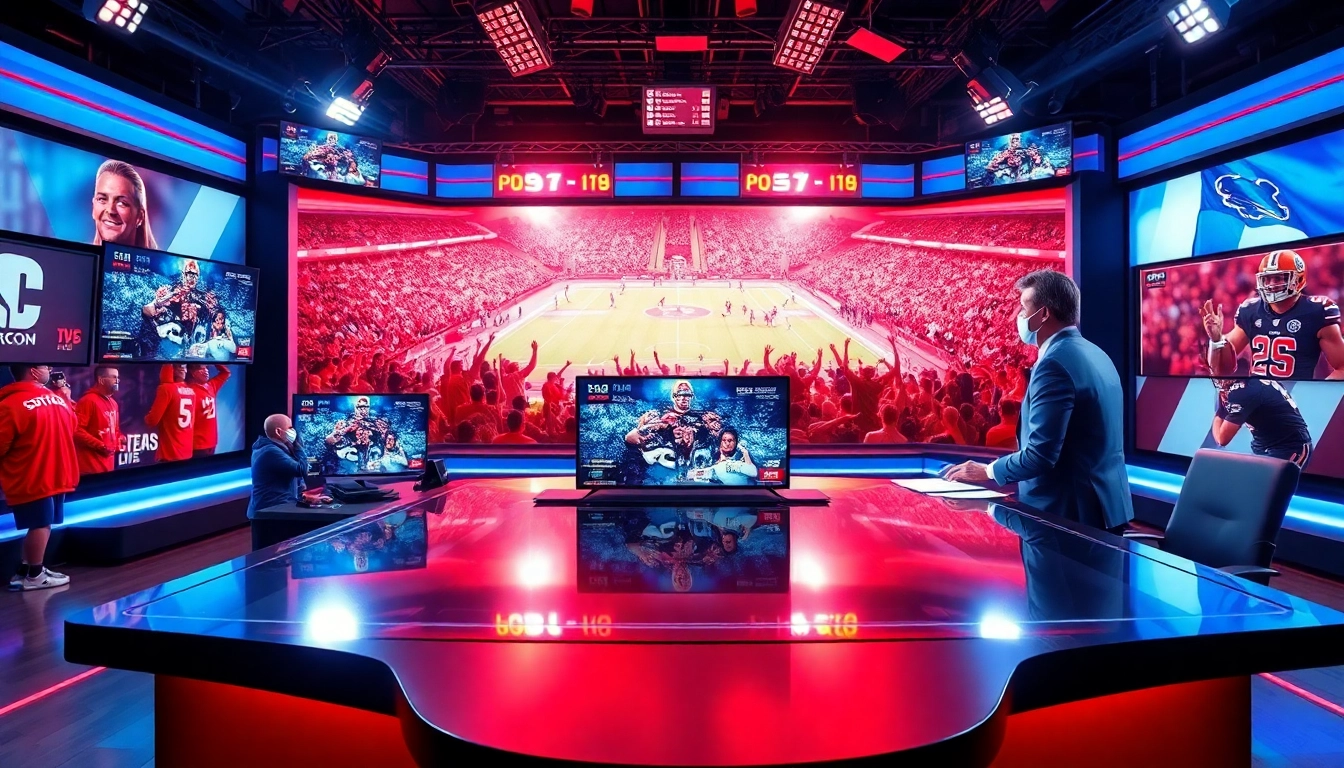
The Essentials of Sports Broadcasting
Understanding Sports Broadcasting
Sports broadcasting is a specialized field that combines the excitement of live sports events with the nuances of media production. It encompasses various formats such as television, radio, and online platforms, making it accessible to millions of fans worldwide. For sports professionals and enthusiasts, understanding the dynamics of Sports Broadcasting is crucial. This understanding includes the interplay between event coverage, audience engagement, and the rapidly evolving technologies that shape today’s viewing experiences.
The Role of Technology in Sports Broadcasting
Technology plays a pivotal role in enhancing the sports broadcasting experience. Innovations such as high-definition video, instant replays, and augmented reality are revolutionizing how audiences interact with sports content. Advances in streaming technology allow for seamless, on-demand access to live events, while sophisticated graphics and data visualization tools provide deeper insights into gameplay. Furthermore, AI and machine learning advancements are being utilized to customize viewer experiences, tailoring content based on individual preferences and past viewing habits.
Key Stakeholders in Sports Broadcasting
The sports broadcasting ecosystem is filled with essential stakeholders, each with a unique role. These include broadcasters, leagues, teams, sponsors, advertisers, and fans. Broadcasters such as networks and streaming services negotiate rights deals with sports leagues and organizations to secure content. Leagues and teams focus on promoting their brand and engaging their audience, while sponsors and advertisers seek opportunities to reach potential customers through advertising during broadcasts. Understanding the motivations and objectives of these stakeholders is fundamental to creating successful broadcast strategies.
Building Engaging Sports Broadcasts
Techniques for Captivating Sports Audiences
Engaging audiences during sports broadcasts requires a mix of storytelling, analysis, and entertainment. One effective technique is using multi-camera angles to provide diverse perspectives during key moments. In addition, integrating expert commentary creates a richer viewing experience. Another strategy involves incorporating fan interactions, such as live polls or social media shout-outs, which not only boosts engagement but also makes viewers feel part of the broadcast. Addressing audience demographics is crucial, as younger viewers may prefer a more fast-paced, informal presentation compared to traditional formats.
Creating Compelling Game Narratives
Every game tells a story, and the ability to convey that narrative is what captivates viewers. Broadcasters should focus on creating context around the event by highlighting player backgrounds, rivalries, and historical significance. Utilizing pre-game packages to set the stage for viewers enhances anticipation. In-game commentary should maintain the excitement while providing insights into strategies and player performance, making each moment feel impactful. Post-game analysis rounds off the narrative, offering viewers a recap and context for the overall stakes involved in the game.
Utilizing Social Media for Sports Broadcasting
Social media platforms have become vital tools for sports broadcasters, enabling instant engagement and interaction with audiences. Broadcasters can utilize platforms like Twitter, Instagram, and Facebook to share highlights, behind-the-scenes content, and real-time updates, creating a multi-dimensional viewing experience. Engaging with fans through interactive content such as Q&A sessions or live chats during broadcasts fosters community and loyalty. Additionally, leveraging user-generated content can amplify reach, as fans are likely to share their experiences, attracting new viewers to broadcasts.
Challenges in Sports Broadcasting
Addressing Live Event Interruptions
Interruptions during live sports events, whether due to technical issues, weather, or unforeseen circumstances, can severely impact viewer experience. Broadcasters must have contingency plans in place to manage such situations effectively. Solutions may include utilizing alternative feeds, including analyst commentary during delays, or employing drone footage for real-time updates. Clear communication with viewers through social media can also help manage expectations during interruptions, maintaining audience interest until the game resumes.
Navigating Copyright Issues in Sports Broadcasting
Intellectual property rights represent a significant challenge in sports broadcasting. Rights management involves understanding and complying with licensing agreements for the content being broadcasted. Broadcasters must navigate complex agreements that dictate where and how games can be shown, particularly in a global market. Failure to adhere to these agreements can lead to legal repercussions and financial penalties. Building strong relationships with leagues and rights holders is essential for maintaining access to content while ensuring compliance with copyright laws.
Competition and Audience Retention Challenges
With the influx of streaming services and digital platforms, competition in sports broadcasting has intensified. Retaining an audience requires more than just offering live games; it necessitates creating an engaging and immersive experience that rivals competitors. Broadcasters should focus on enhancing viewer experience through innovative features such as interactive game elements, customizable viewing options, and high-quality production values. Additionally, understanding viewer analytics can help identify trends and preferences, enabling broadcasters to tailor content effectively and maintain audience loyalty.
Analytics in Sports Broadcasting
Measuring Audience Engagement Metrics
Analytics play a crucial role in understanding audience engagement within sports broadcasting. Key metrics include viewership numbers, audience retention rates, and social media interactions. Collecting data through viewer feedback tools and analytics platforms assists broadcasters in gauging which segments of their broadcasts resonate with audiences. This data-driven approach allows for informed decisions regarding content strategies, enabling broadcasters to adapt and evolve based on viewer preferences and behaviors.
Using Data to Enhance Broadcast Quality
Data analytics can significantly enhance the quality of sports broadcasts. By analyzing viewer feedback, broadcasters can identify aspects that require improvement, such as commentary clarity or production quality. Metrics such as viewer drop-off points can also highlight less engaging segments, prompting adjustments in future broadcasts. Moreover, integrating real-time statistics and performance metrics during games can create a more informative experience, keeping audiences engaged and satisfied.
Evaluating Performance Through Viewer Feedback
Direct feedback from viewers is an invaluable resource for improving sports broadcasts. Utilizing surveys, focus groups, and social media comments allows broadcasters to understand viewer perceptions and sentiments. This feedback can pinpoint strengths to leverage and areas needing enhancement. By consistently evaluating performance through viewer feedback, broadcasters can continuously innovate and refine their approach to ensure a captivating viewing experience that meets audience expectations.
Future Trends in Sports Broadcasting
The Impact of Streaming Services on Sports Broadcasting
The rise of streaming services has transformed the landscape of sports broadcasting. As audiences shift toward on-demand content, traditional broadcasters face increasing pressure to adapt. This trend has led to innovations such as subscription-based services, which offer exclusive sports content. Conversely, it also means that broadcasters must enhance viewer experiences through interactive features and personalized content offerings, ensuring they remain competitive in an evolving market.
Emerging Technologies Shaping Sports Broadcasting
Technological advancements are poised to influence the future of sports broadcasting significantly. Virtual reality (VR) and augmented reality (AR) are becoming increasingly prevalent, allowing fans to enjoy immersive experiences as if they were at the event. Additionally, advancements in AI are streamlining production processes and automating content distribution, making it easier for broadcasters to reach wider audiences. As these technologies continue to evolve, they will redefine how sports content is produced and consumed.
Predictions for Sports Broadcasting's Next Decade
Looking ahead, the next decade will likely see a more integrated approach to sports broadcasting, blending traditional media with emerging platforms. Expect an increase in personalized content and targeted advertising, as data analytics further enhance viewer insights. Additionally, cross-platform collaborations may emerge, bringing together broadcasters, teams, and tech companies to create unique viewing experiences that appeal to diverse audiences. Ultimately, the future of sports broadcasting will be characterized by innovation, engagement, and adaptation to changing viewer preferences.
Frequently Asked Questions
What is Sports Broadcasting?
Sports broadcasting refers to the live coverage of sports events, including commentary and analysis, provided through various media platforms like TV, radio, and online streaming.
How has technology influenced Sports Broadcasting?
Technology has enhanced Sports Broadcasting through high-definition visuals, live streaming, instant replays, and interactive viewer experiences, transforming how fans engage with events.
Who are the main stakeholders in Sports Broadcasting?
Main stakeholders include broadcasters, sports leagues, teams, sponsors, advertisers, and fans, each playing a crucial role in the broadcasting ecosystem.
What are the challenges in Sports Broadcasting?
Challenges include managing live event interruptions, navigating copyright issues, and maintaining audience retention in a competitive landscape.
What trends are emerging in Sports Broadcasting?
Emerging trends involve increased use of streaming services, integration of AI and VR technologies, and the use of analytics for personalized audience engagement.