
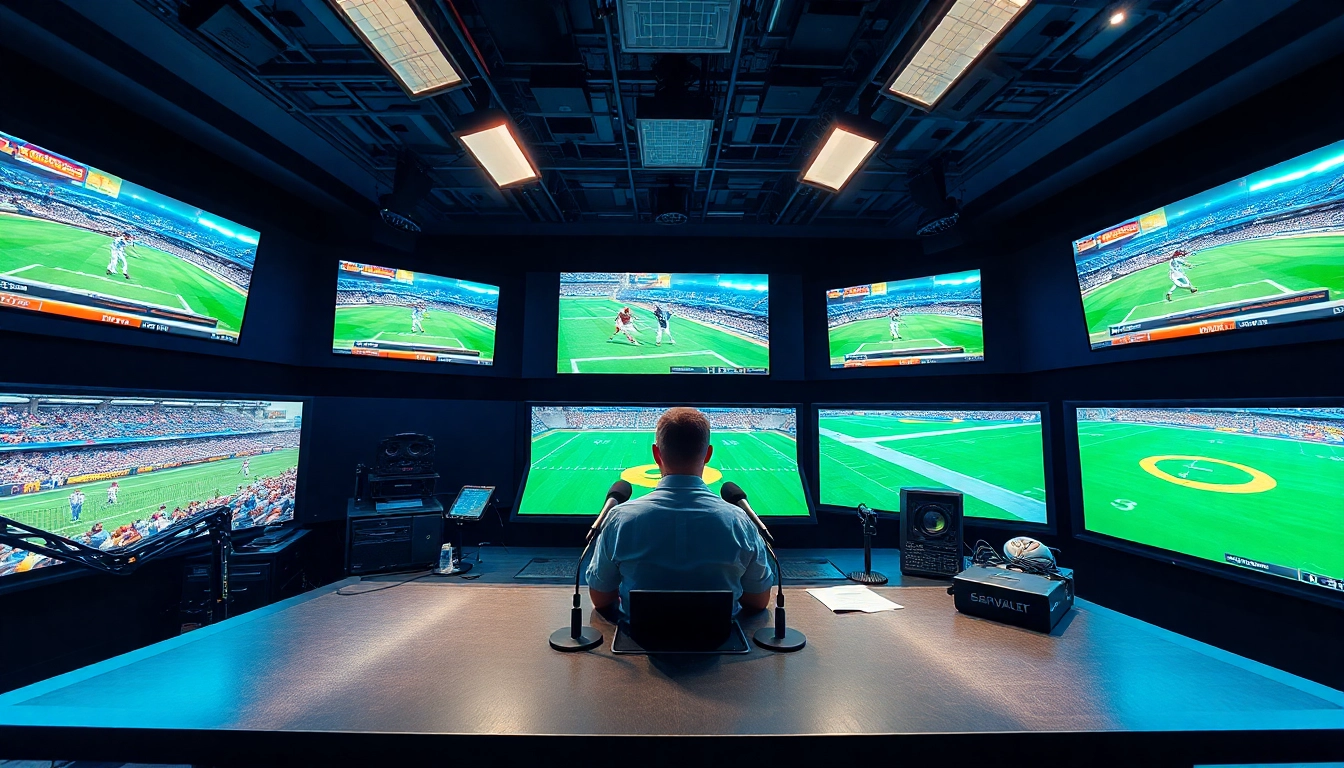
Introduction to Sports Broadcasting
Understanding Sports Broadcasting
Sports Broadcasting refers to the transmission of live sporting events, analysis, commentary, and related content through various media channels, including television, radio, and online platforms. With the rise of digital technology, Sports Broadcasting has vastly expanded, reaching audiences across the globe and becoming a significant part of the entertainment landscape.
The Evolution of Sports Broadcasting
The history of sports broadcasting can be traced back to the early 20th century with radio broadcasts, evolving significantly with the advent of television in the 1950s, and now thriving in the digital age with streaming services. Initially, sports coverage was limited and often inconsistent. However, over the decades, advancements in technology have enabled more comprehensive coverage of live events, the introduction of in-depth analysis, and a variety of viewing options, such as highlights and replays.
Key Players in Sports Broadcasting
The sports broadcasting landscape is populated by a mixture of traditional media companies, major sports leagues, and online streaming services. Notable players include national broadcasters, cable networks specializing in sports, and digital platforms that have emerged in recent years. Together, these entities shape how content is consumed, influence advertising strategies, and determine the overall dynamic of sports events being brought to the audience.
Techniques for Effective Sports Broadcasting
Essential Broadcasting Skills
To excel in sports broadcasting, a variety of skills are essential. Broadcasters must be adept at storytelling, providing insightful commentary, and engaging an audience. Skills in research, analysis, and the ability to work under pressure during live events are crucial. Furthermore, building a strong presence, whether on air or through digital platforms, enhances credibility and audience loyalty.
Utilizing Technology in Sports Broadcasting
Modern technology plays a pivotal role in sports broadcasting. High-definition cameras, drones, and augmented reality have enhanced visual storytelling, providing viewers with immersive experiences. Additionally, advanced analytic tools help broadcasters deliver precise statistics and insights, enriching the viewing experience. The integration of social media further allows for real-time audience interaction, amplifying engagement.
Creating Engaging Content
Engaging content is king in attracting and retaining audiences. Broadcasters need to not only focus on the live aspect but also create complementary content, including interviews, expert analyses, and behind-the-scenes footage. Utilizing storytelling techniques and featuring diverse perspectives can significantly enhance the overall value proposition of the broadcast, making it more appealing to viewers.
Current Trends in Sports Broadcasting
Live Streaming vs. Traditional Broadcasting
As viewers increasingly favor convenience, live streaming has surged in popularity. Traditional methods face challenges, such as being less flexible and not catering to on-demand viewing habits. The shift toward streaming has prompted many broadcasters to adopt hybrid models that blend traditional and digital methods to retain viewership, especially among younger demographics who prefer online content.
Interactive Broadcasting Techniques
Interactive broadcasting represents a significant trend in the industry, providing fans with options such as choosing camera angles or engaging with broadcasts through social media polls. This enhances viewer engagement and offers a personalized experience that traditional broadcasts often lack. Leveraging technology to create interactive elements enables broadcasters to innovate and capture audience interest effectively.
Rise of Esports Broadcasting
In recent years, esports broadcasting has grown exponentially, captivating a new generation of fans. This segment possesses unique characteristics, with fast-paced gameplay, engaging commentary, and community involvement. Esports events often incorporate cutting-edge streaming technology, catering to an audience accustomed to digital interactions and interactions through platforms like Twitch and YouTube.
Challenges in Sports Broadcasting
Legal and Ethical Considerations
Sports broadcasters face significant legal and ethical challenges, including rights management, content licensing, and adherence to broadcasting regulations. Intellectual property rights must be respected, and the ethical portrayal of events, particularly sensitive issues surrounding athletes and teams, must be carefully navigated. Broadcasters are tasked with ensuring compliance while also maintaining the integrity of their programming.
Audience Engagement Issues
Keeping audiences engaged is a continuing challenge, especially as attention spans decrease and competition grows. Broadcasters need to continually innovate and provide value to retain viewers. Failing to adapt to audience preferences can lead to drastic declines in viewership. This necessitates ongoing research and interaction to understand viewer interests and adapt content strategies accordingly.
Monetization Challenges
Monetization in sports broadcasting poses its set of challenges. While traditional advertising remains a significant revenue source, the rise of ad-blockers, along with audience shifts towards streaming services, complicates revenue generation. Broadcasters need to explore alternative monetization methods, such as subscription models, sponsorships, and partnerships to sustain their operations and profitability.
Future of Sports Broadcasting
Emerging Technologies
The future of sports broadcasting is likely to be shaped by emerging technologies, including artificial intelligence, virtual reality, and 5G connectivity. These technologies promise enhancements in broadcasting quality, interactivity, and audience engagement. AI-driven data analysis can provide deeper insights into games, while virtual reality could offer immersive viewing experiences that change how audiences interact with sports.
Predictions for Sports Broadcasting
Looking ahead, it is expected that sports broadcasting will increasingly emphasize personalized content delivery tailored to individual viewer preferences. Content providers may also focus more on community engagement, enhancing the viewer experience through social platforms. Furthermore, the integration of more data analysis and statistics to enrich broadcasts will likely become standard practice, attracting data-driven audiences.
How to Stay Relevant in a Changing Market
Staying relevant in a rapidly evolving market requires broadcasters to remain adaptable and proactive. Continuous learning, investment in technology, and audience feedback mechanisms are essential strategies. Broadcasters should also foster collaborations with emerging platforms and creators to explore new content formats and reach untapped audiences, ensuring long-term viability in the competitive landscape of sports media.
Frequently Asked Questions
What is sports broadcasting?
Sports broadcasting encompasses the dissemination of sports events and commentary through various media channels, including television, radio, and online platforms.
How has technology influenced sports broadcasting?
Technology has revolutionized sports broadcasting by enabling live streaming, enhancing viewer engagement, and providing high-quality visual and audio experiences.
What are the primary challenges in sports broadcasting?
Key challenges include legal regulations, maintaining audience engagement, and adapting to shifts in consumer behavior and technology.
What trends are shaping the future of sports broadcasting?
Trends include an increase in live streaming, greater interactivity for viewers, the rise of esports broadcasting, and the adoption of new technologies.
How can I start a career in sports broadcasting?
Start by gaining experience through internships, developing your speaking and analytical skills, and creating a portfolio of your work in sports journalism or media.